

Managing Daily Medications and Health Routines
Organizing medications, tracking appointments, and creating systems that actually work for managing multiple prescriptions and health conditions.
Read moreSimple changes that reduce fall risk, improve accessibility, and help your parent maintain independence longer. Budget-friendly and rental-friendly options included.

Falls are the leading cause of injury-related deaths for adults aged 65 and older in Europe. But here's the good news — most falls are preventable. We're not talking about expensive renovations or major construction. Simple, thoughtful changes to your parent's living space can dramatically reduce risk while preserving their independence and dignity.
Whether your parent lives with you, nearby, or independently, these modifications adapt to their specific needs. Many are rental-friendly, which matters if they're not ready to commit to permanent changes. You'll find options that fit different budgets, mobility levels, and living situations.
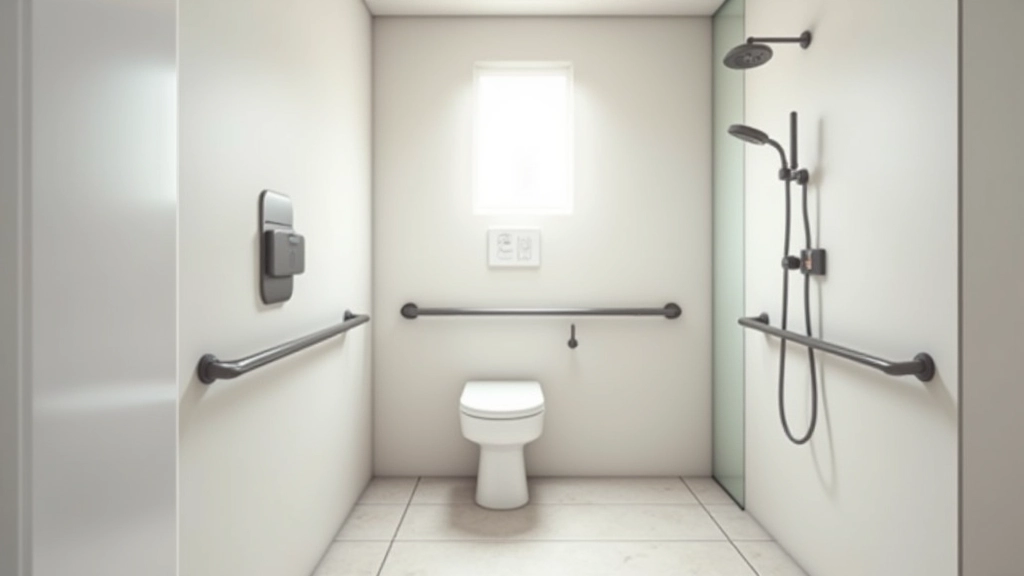
Most falls happen in specific locations. Focus on bathrooms, bedrooms, and stairs first.
Wet surfaces, tight spaces, and the need to balance make bathrooms high-risk. Grab bars, non-slip mats, and raised toilet seats make a real difference. Installation takes an afternoon and costs aren't prohibitive.
Bedside lighting that's within reach, clear pathways, and sturdy handrails on stairs prevent most nighttime falls. We're talking basic items — better lighting, handrails, removing clutter. Nothing fancy required.
Tripping hazards hide in plain sight — loose rugs, poor lighting, clutter. Securing rugs, improving lighting, and keeping pathways clear prevents stumbles before they happen.
The bathroom is where your parent's vulnerability is greatest. Wet floors, slippery surfaces, and the need to stand on one leg while reaching — it's a perfect storm for accidents. The good news? Smart modifications work immediately.
Installation costs vary, but most bathroom modifications run 200-600 EUR total. That's genuinely affordable protection against a fall that could cost thousands in medical care.
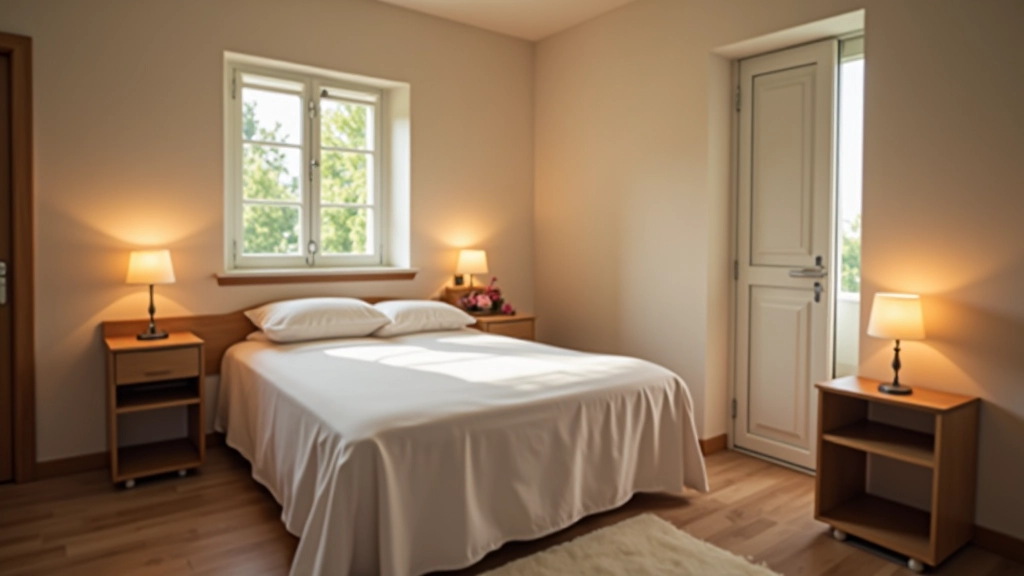
Many falls happen at night when your parent gets up for the bathroom or water. Darkness, grogginess, and unfamiliar pathways create dangerous conditions. Bedroom modifications are straightforward and cost almost nothing.
Motion-sensor lights or touch lamps on the bedside table mean your parent doesn't fumble for switches in the dark. They'll pay for themselves in peace of mind alone.
The bed should be high enough that standing up isn't a struggle — typically 45-50cm from the floor. If it's too low, bed risers (30-40 EUR) solve the problem without buying a new bed.
Keep the path from bed to bathroom clear. Remove clutter, trailing wires, and loose rugs. Your parent should be able to walk this path in near-darkness without obstacles.
If your parent has difficulty with stairs, modifications can help significantly — or signal that single-level living might be safer.
Stairs are genuinely dangerous as people age. Reduced balance, vision changes, and slower reflexes mean a tumble becomes serious quickly. Smart modifications reduce risk, but honestly assess whether stairs are sustainable long-term.
Handrails: Both sides of the staircase if possible. They should be 33-38mm diameter (easy to grip), continuous, and extend 30cm beyond the top and bottom step.
Edge marking: Reflective tape or paint on stair edges helps your parent see where each step begins and ends. This sounds minor but prevents missteps.
Stair lift (if needed): For significant mobility challenges, a stair lift (1500-4000 EUR installed) keeps your parent in their home. Not cheap, but cheaper than moving.
You don't need to spend thousands. Most effective modifications cost 50-300 EUR and can be done in a weekend.
Start here. These items prevent the most common falls: grab bars, non-slip mats, improved lighting, clearing clutter, securing rugs.
Add these when Phase 1 is complete: raised toilet seat, handrails, bed risers, motion-sensor lights, shower chair.
Consider only if needed: stair lift, major bathroom renovation, accessibility ramps, door widening.
"We started with grab bars and better lighting. Costs about 200 EUR. My dad felt more confident immediately, and honestly, that mattered as much as the physical changes."
Start with an honest conversation about what your parent actually needs. Don't over-modify. Some people feel patronized by too many safety changes — it highlights what they can't do anymore rather than what they can.
Walk through their home together. Watch how they move. Where do they steady themselves? Where's the lighting poor? What surfaces are slippery? This observation tells you what matters most.
Identify real hazards, not theoretical ones.
Start with bathrooms and stairs.
They need to buy in, literally and emotionally.
Grab bars need proper anchoring. Don't cheap out on installation.
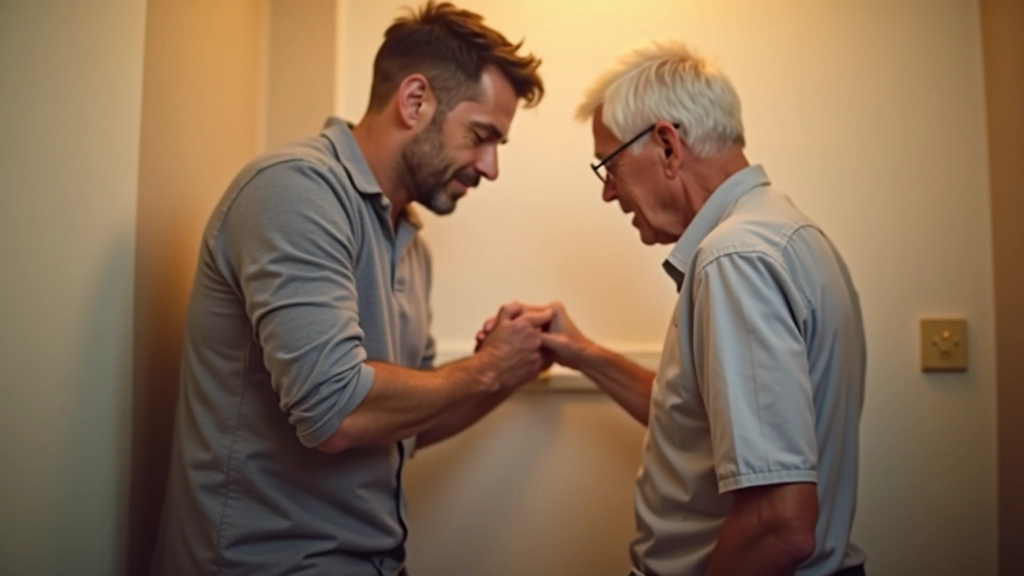
If your parent rents, talk to the landlord first. Most reasonable landlords accept safety modifications, especially grab bars. Use adhesive mounts instead of drilling when possible. Document everything for the deposit.
Grab bars must be anchored into studs, not just drywall. If you're not confident, hire someone. It's 50-100 EUR in labor — worth it for safety.
Think long-term. If your parent wants to stay home as they age, modifications today prevent crisis moves later. It's preventive care for housing.
If modifications become extensive (ramps, stair lifts, major renovations), single-level living or assisted housing might be more practical and less stressful.
Home modifications aren't just about preventing falls — they're about preserving independence and dignity. When your parent can navigate their home safely, they maintain autonomy. They don't feel dependent. That psychological benefit is as important as the physical safety.
You don't need to transform the house. Small, smart changes make a real difference. Start with what matters most, involve your parent in decisions, and build from there. Most importantly, don't wait for a fall to happen. Prevention is genuinely easier than recovery.
Schedule a home walk-through with your parent. Identify hazards. Prioritize changes. Start small. You'll be surprised how much impact 200 EUR of smart modifications can have.
Back to Elderly Care ResourcesThis guide is informational and educational. It's based on widely recognized safety principles but isn't personalized medical or safety advice. Every person's situation is different. Before making major home modifications, especially for someone with specific mobility or health conditions, consider consulting with an occupational therapist or healthcare provider who can assess your parent's individual needs. They can recommend modifications tailored to their exact situation. If your parent has already experienced falls or has significant mobility challenges, professional assessment is especially important.
Organizing medications, tracking appointments, and creating systems that actually work for managing multiple prescriptions and health conditions.
Read more
How to find reliable home visit caregivers in Czech Republic, what to expect from professional care, and how to coordinate with family support.
Read more
Building exercise, nutrition, and social activity habits that improve quality of life without requiring drastic changes or unrealistic commitments.
Read more